

Living with an autoimmune disease can be an unpredictable and emotional journey. For many people, the path to diagnosis can take years, and learning to live with a chronic condition like ulcerative colitis brings both physical and mental challenges.
Jonathan, a member of the Wren Project community, shares his story of living with ulcerative colitis, a form of inflammatory bowel disease (IBD). From a long road to diagnosis to learning how to navigate fatigue, relationships and everyday life, Jonathan’s experience highlights the reality of living with an autoimmune condition and the importance of support.
Jonathan’s journey to an ulcerative colitis diagnosis
Jonathan first began experiencing symptoms when he was around 13 years old. He had severe stomach cramps, bloating and occasionally noticed blood in his stool. At the time, he didn’t tell anyone about what he was experiencing.
Eventually, the pain became unbearable and Jonathan was taken to A&E, doubled over and struggling to move. Despite how severe his symptoms felt, doctors were unable to find a clear cause.
“Being told nothing was wrong left me feeling really unheard and unseen,” Jonathan explains.
Over the following years, he attended multiple doctor’s appointments, but his symptoms were often attributed to irritable bowel syndrome (IBS). Everything changed during one appointment with a locum doctor.
“I completely broke down during the appointment,” Jonathan recalls. “Instead of brushing it off or blaming my diet, she really listened.”
Noticing Jonathan’s pain and significant weight loss, the doctor referred him for further tests, including a colonoscopy. A few weeks later, at the age of 20, Jonathan finally received a diagnosis: ulcerative colitis.
The challenges of living with ulcerative colitis
Living with ulcerative colitis presents a number of daily challenges, even during periods of remission.
One of the biggest difficulties Jonathan has faced is managing ongoing fatigue, something many people living with autoimmune diseases experience.
“Learning to listen to my body has been one of the biggest adjustments,” he says. “Even when I’m not in a flare, I’ve had to understand what my body can realistically handle.”
Jonathan also found that living with a chronic illness affected his confidence when dating.
“I have found as a gay man, dating to be a challenge too for various reasons like body image, comparing struggles and intimacy. I have learnt that my condition does not define me as a person and the right people will understand if I need to miss plans, or as I have found in recent years, change plans so I’m included or able to attend.”
“It may feel scary, but being open and honest about your condtion and your current status with it is the key to lasting friendships, relationships and really helps your own mental health.“
How autoimmune disease affects everyday life
Ulcerative colitis can impact many areas of daily life. During flare-ups, Jonathan explains that he needs to constantly be aware of where the nearest bathroom is. Medication side effects have also affected his weight, skin, mood and mental health at different times.
Because ulcerative colitis is largely an invisible illness, Jonathan sometimes feels self-conscious or worries that others can somehow tell he is unwell, even when they cannot see any physical signs. Even during remission, there can be underlying anxiety.
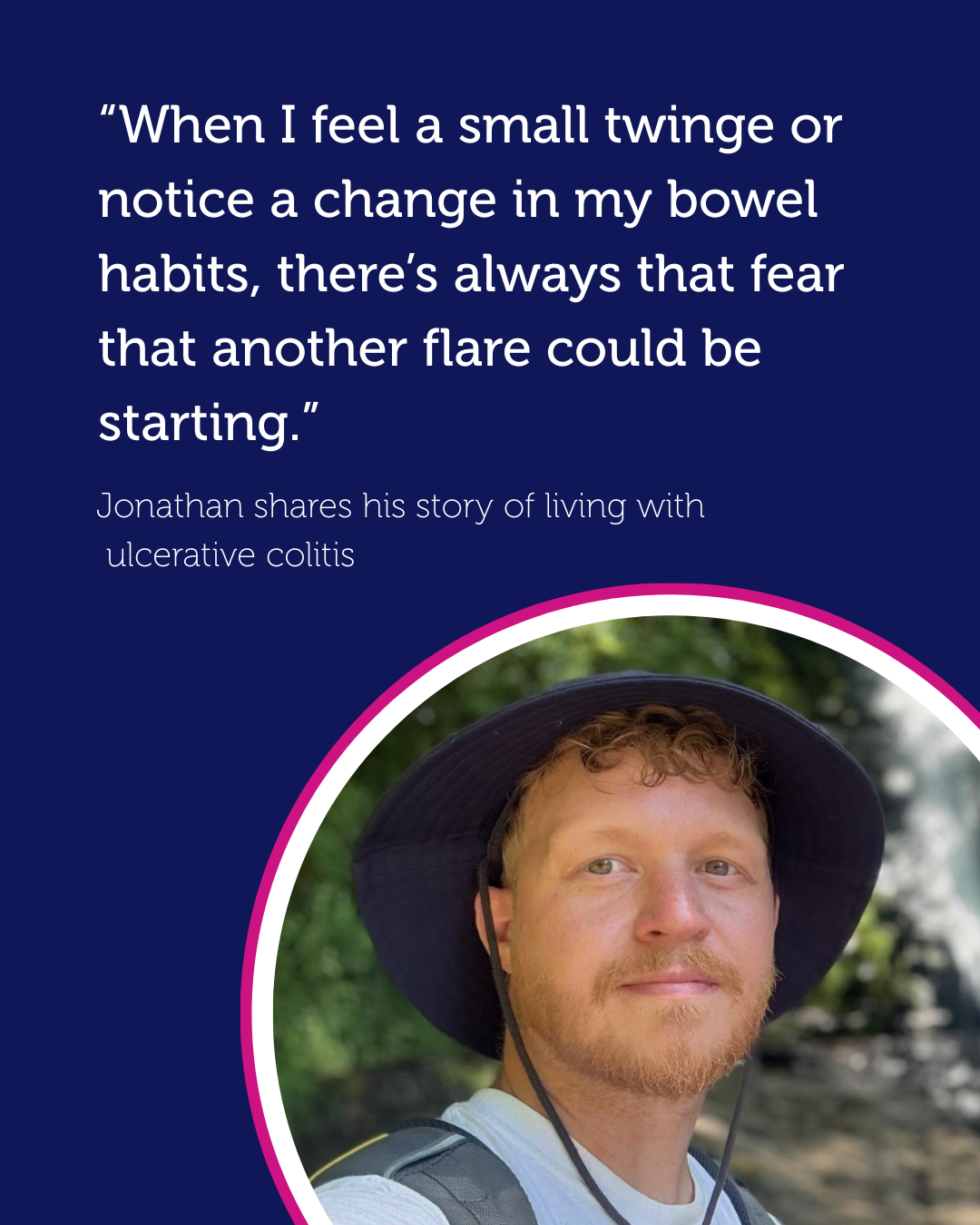
“When I feel a small twinge or notice a change in my bowel habits, there’s always that fear that another flare could be starting.”
The importance of support
Jonathan first discovered The Wren Project through social media while following hashtags such as #IBD, #UlcerativeColitis and #AutoimmuneDisease.
He had been looking for online communities where people living with autoimmune conditions could connect and support each other.
“Knowing that support like The Wren Project exists makes a huge difference.”
As well as charity support, the most important source of support throughout Jonathan’s journey has been his mum.
“She doesn’t get enough credit,” he says. “Before my diagnosis she didn’t know much about autoimmune diseases either.” Despite this, she quickly learned the terminology and tried to understand how Jonathan’s life was changing.
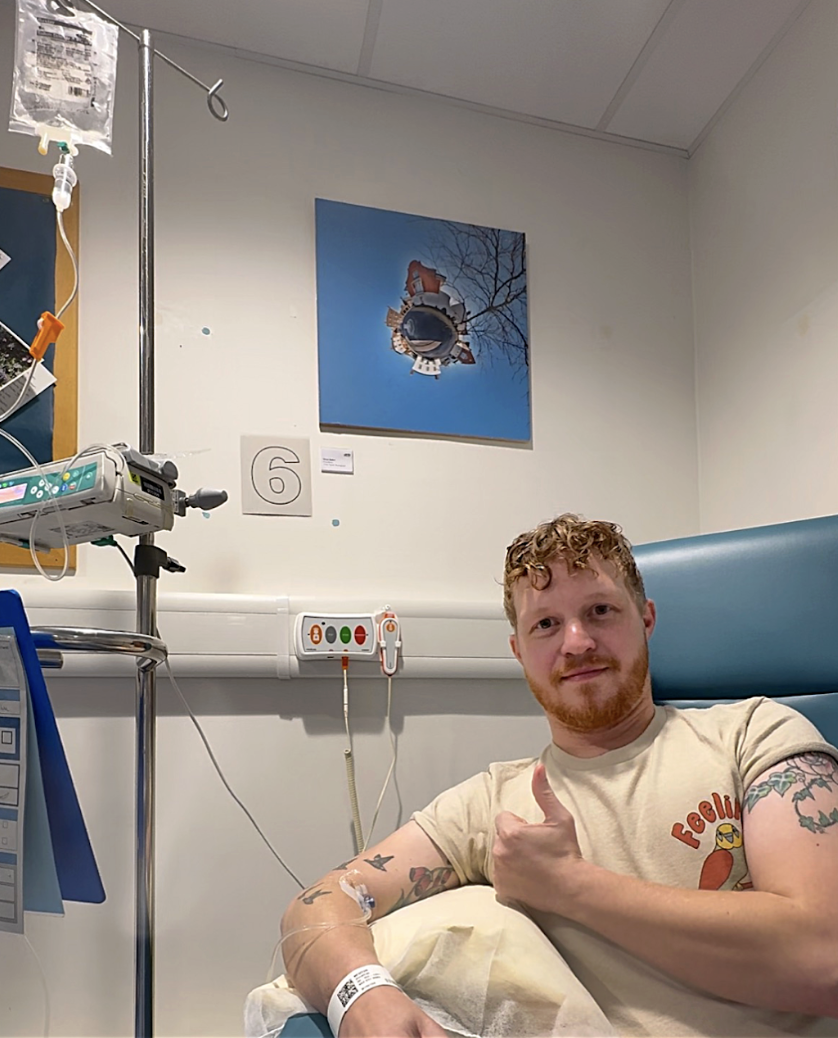
“My mum has been there through everything, the uncertainty, hospital stays, appointments and the difficult moments.”
Jonathan describes her as a constant source of strength and someone who has helped him navigate the challenges of living with autoimmune disease.
Advice for someone newly diagnosed with an autoimmune disease
Jonathan has a simple but powerful message for anyone who has recently been diagnosed with ulcerative colitis or another autoimmune condition.
“Allow yourself to feel the emotions that come with a diagnosis,” he says. “It’s completely normal to feel sad, even when you finally have answers.”
Once those initial feelings settle, he encourages people to look forward.
“There is a lot of support out there, and treatments are constantly improving.”
Jonathan also recommends researching your condition, speaking openly with healthcare professionals and connecting with supportive communities.
“You’re not alone. There are so many people going through similar experiences.”
Living with autoimmune disease: an evolving journey
Jonathan describes living with ulcerative colitis as a journey that continues to evolve.
“Some days feel like huge, exhausting battles, while other days feel much easier.”
Over time, connecting with other people living with autoimmune diseases has helped him better understand his own needs and manage expectations. It has also given him the confidence to pursue things he once thought might be impossible, including building a career and travelling.
“Medications are constantly improving, but not every treatment works for everyone,” Jonathan says. “Research your options, talk to your specialists and advocate for the treatment and support that works best for you.”
Jonathan shared his story with the Wren Project as part of our Wren Voices campaign. If you would like to share your experience of autoimmune disease with us, you can reach out by emailing hello@wrenproject.org.
If you live with an autoimmune disease and would like to access free emotional support from the Wren Project, you can reach out to us here