

Living with lupus: Michelle’s story
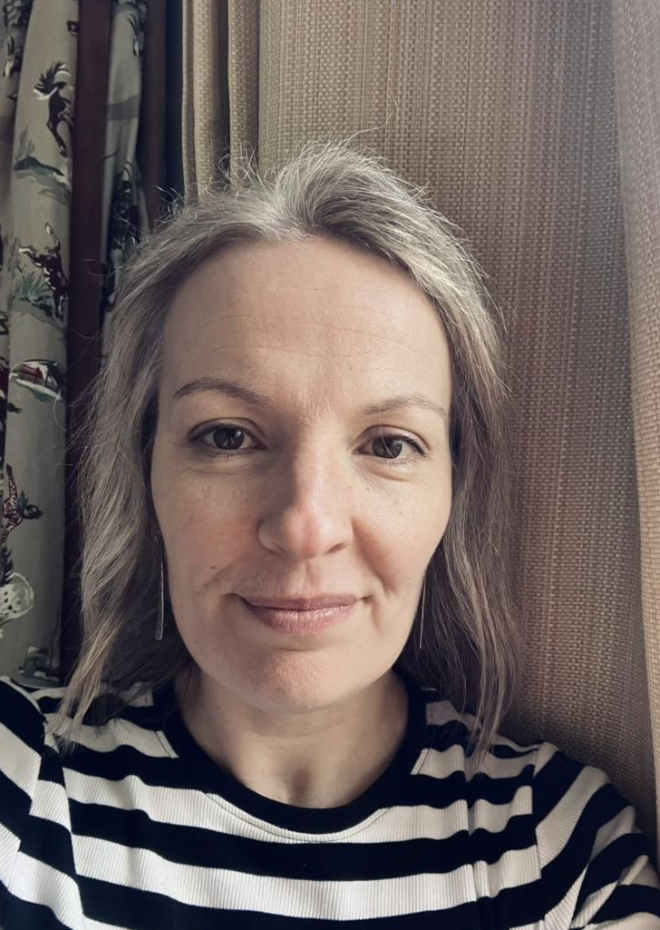
Michelle’s lupus
diagnosis journey
Like so many other women, Michelle’s diagnosis of Lupus has been long and protracted.
Michelle’s initial symptoms started in her 20’s when she experienced joint pain and fatigue and was diagnosed with tendonitis and carpel tunnel syndrome in her wrists and hands.
“I had also developed ulcers in my mouth and nose which eventually led to sinus surgery. My ENT surgeon told me it was the worst inflammation he’d seen without an obvious cause.”
In her late 20’s Michelle began to feel very unwell. She had developed a purple rash all over her legs and was sent to A&E where she was treated with IV antihistamines and steroids for an allergic reaction. Her upper veins had collapsed so they had to use a canula in her foot. It turned out that Michelle had Lupus vasculitis.
In her early 30s, Michelle lived with severe pain in her joints, muscle and her ligaments and tendons became badly inflamed.
“A spontaneous labral tear destabilised my hip joint, unfortunately my orthopaedic surgeon was unable to repair the cartilage and ended up resurfacing my hip. He described it as an injury more commonly seen in impact sports. Again, no one could adequately explain why. I was told it was due to carrying my children!”
Michelle began losing sensation in her feet and hands, her hair started falling out and she lost 12kg in weight. She experienced night sweats, random fevers and felt exhausted all the time. She had to give up working.
Eventually Michelle was referred to a Rheumatology specialist. Fast forward multiple hospital visits, tests and consultations with several different doctors, Michelle was then diagnosed with Systemic Lupus Erythematosus when she was 35.
“Initially the diagnosis came as a relief that all these seemingly unrelated problems all had the same cause. I had started to question whether I was just bad at coping with life, fuelled by the number of times Dr’s had dismissed my symptoms.”
Later in her 40s, Michelle told a Rheumatologist that her knee felt inflamed, this was dismissed. A week later she slipped, dislocated her knee and tore her MCL & ACL. Over the past few years Michelle’s Lupus has started affecting her thyroid and heart function.
Challenges faced with treatment
For many years Michelle faced challenges with her rheumatology appointments. They all followed the same pattern by Michelle explaining her symptoms and how ill she felt, and the impact the illness was having on her life, her relationships and psychological well being, only to be told she had to accept her new normal and learn to do less.
“When I was told to accept my ‘new normal’ I felt helpless and frustrated; Lupus has never felt normal to me and after nearly 20 years it certainly wasn’t new to me.”
Michelle almost gave up hope that she would ever feel well again, until she read Unwell Women by Elinor Cleghorn, a history of medical misogyny. She felt enraged by the injustice that so many other women with autoimmune diseases have faced in their battle to be believed.
“I began researching leading Lupus consultants in the UK and started cold calling hospitals asking if I could be a patient there!”
After consultations with her GP it was agreed that Michelle’s care would be transferred to Bath Royal United Hospital Lupus Centre of Excellence which she now makes the 300-mile round trip multiple times a year for check ins and infusions.
“The decision not to give up changed my life.”
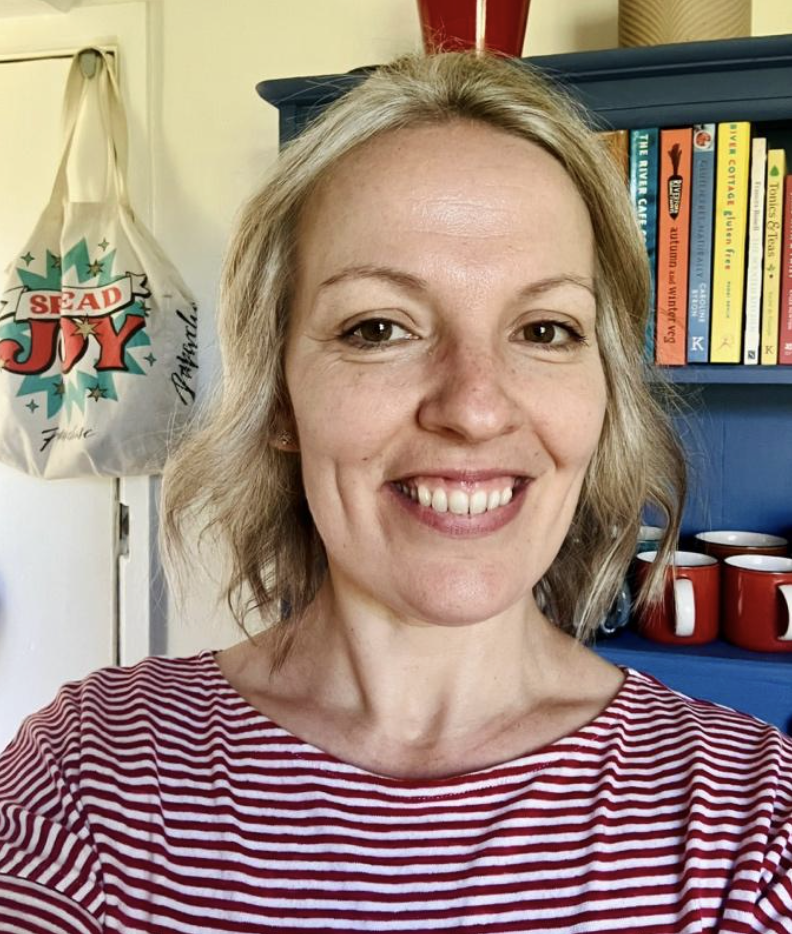
Learning from Lupus
For a long time, Michelle felt Lupus held her back and prevented her from living the life she wanted. She felt resentful. However, as time has gone on, she has gained a new perspective on the lessons a Lupus diagnosis has taught her.
“Lupus gives you a finite amount of energy, and rest isn’t always restorative. I have somewhat reluctantly learnt not to push myself quite so hard. I try to pace myself by stopping when I hit 70% capacity, however much my mind protests.”
I have learnt to advocate for myself, and to say no. I reserve my energy for the people, places and activities that bring meaning and happiness to my life.”
Finding support at the Wren Project
Michelle contacted the Wren Project during a particularly difficult period of time. Despite being on high doses of medication she felt like her Lupus was winning. The side effects of Methotrexate injections which she had been taking for years were becoming intolerable and her new consultant decided it was time to start biologics infusions. This terrified her.
“Within two weeks of contacting the Wren project I began my sessions with Hannah. In the evenings after work at a time that suited me. The most beneficial thing was being able to talk to Hannah about my fears and frustrations without being offered solutions.”
“Very well-meaning but often wrong advice is so often given to people with chronic illnesses by people who have no experience of it. The Wren Project is different, my circumstances weren’t compared to others, no miracle cure was offered up, there was no expectation that I should feel better by next week. It was ok for me to process the same incident over and over again and with someone whose presence was patient and gentle.”
Six support sessions were enough for Michelle; they had coincided with a new treatment unexpectedly working really well. It was a profoundly positive experience when she had felt particularly vulnerable.
Alongside the Wren Project, Michelle’s greatest support throughout her illness has always been her husband and her daughters. “They are my greatest cheerleaders, celebrating all my wins and endlessly forgiving when my body isn’t.”
Michelle’s message of hope
Michelle explains that a diagnosis is just the beginning. Lupus is unpredictable with disease flare ups and treatments not working. There are days when your body says no, however much you fight against it.
“On these days I remind myself of the poker game metaphor, some days you’ll be dealt a terrible hand, and all you can do is fold. Other days are average; you do your best with what you’ve been given. Sometimes everything aligns and you feel great, play your straight flush and enjoy every minute of it!”
Michelle said that it is ok to allow yourself to feel all the feelings living with a serious autoimmune disease brings up, they are real and valid. Find people who will listen with no judgement.
“Finally, know that it’s ok to give in occasionally, just not forever! You’ve got this.”
Michelle shared her story with the Wren Project as part of our Wren Voices campaign. If you would like to share your experience of autoimmune disease with us, you can reach out by emailing hello@wrenproject.org.
If you live with an autoimmune disease and would like to access free emotional support from the Wren Project, you can reach out to us here