

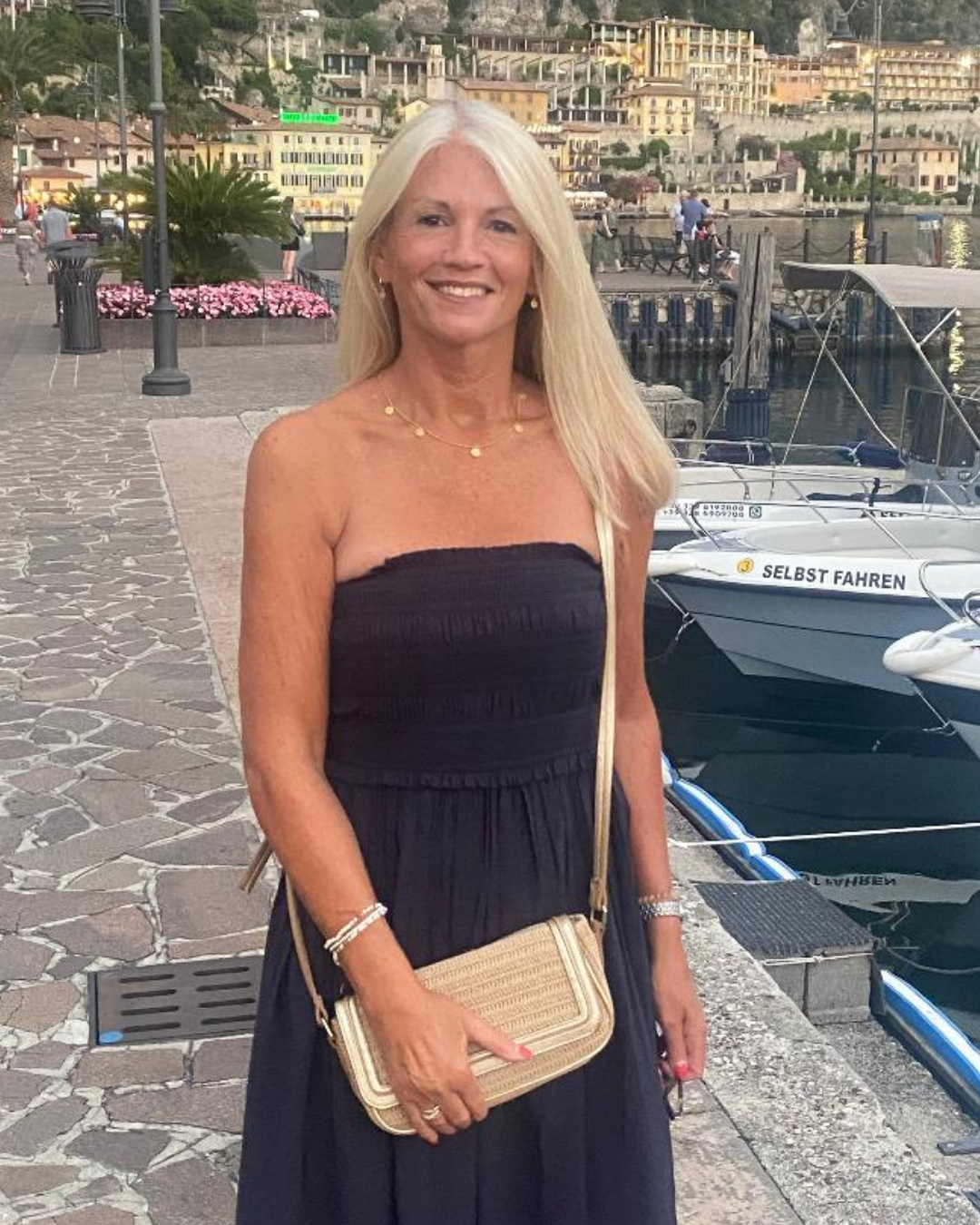
Getting a rheumatoid arthritis diagnosis
Dawn’s journey with rheumatoid arthritis started when she was 39 years old. A mum of two young boys and a full time Primary School teacher, Dawn said her diagnosis came as a shock as she was a very sporty and active person before she started having life-changing symptoms.
“I first started noticing swelling in my legs and increasing pain. It gradually became worse and began affecting my mobility to the point where I could barely walk down the stairs.”
Doctors initially thought Dawn might have deep vein thrombosis (DVT) but further blood test results showed the rheumatoid factor and eventually led to her diagnosis of rheumatoid arthritis.
“I can still remember the doctor saying “sorry” as they told me. At the time, I honestly had no real idea what rheumatoid arthritis meant. I certainly didn’t understand that it was a lifelong autoimmune disease, or the implications it could have for my health and the impact it might eventually have on so many areas of my life.”
Dawn said that going from being someone who was fit, sporty and constantly active to suddenly struggling simply to get down the stairs was incredibly difficult to comprehend.
Treatment confusion and complications
Dawn has been undergoing rheumatology care for many years and has tried a number of treatments, including steroid treatment during serious flare ups. Unfortunately, despite treatment, her rheumatoid arthritis had caused significant joint damage and Dawn had to undergo surgery on her elbow as a result. She is now under care from a specialist orthopaedic team as well as rheumatology care, with a possible elbow replacement being discussed for the future. Dawn has also needed podiatry and orthotics because of the effect rheumatoid arthritis has had on her feet.
Dawn said the treatment itself can sometimes bring another set of difficulties. The medications suppress the immune system, so infections can become more of a concern, alongside regular blood tests, hospital appointments and ongoing monitoring.
“I am grateful that treatments and support are available, but living with rheumatoid arthritis can sometimes feel like a constant cycle of appointments, medication changes, waiting to see whether something works and then adjusting again when it doesn’t work as well as hoped.”
Challenges and Learnings living with rheumatoid arthritis
One of the biggest challenges for Dawn is that rheumatoid arthritis is often an invisible illness. Someone who has the condition can look perfectly well on the outside while experiencing significant pain, stiffness and overwhelming fatigue. Because people can’t see it, even friends and family can sometimes be unaware of just how much Dawn is struggling.
“It has been really important for me to try and educate the people around me, including friends, family and work colleagues, about what rheumatoid arthritis actually is and how it affects me. The difficult part is that people understandably forget. If I look well, it is easy to assume that I am well, when that may be very far from reality.”
Another huge challenge with living with rheumatoid arthritis is how unpredictable the condition can be. Making plans can be difficult because someone with rheumatoid arthritis can’t predict if they will wake up in pain and completely exhausted, or feel relatively normal.
“There is a huge difference between being tired and experiencing autoimmune fatigue; sometimes it genuinely feels as though your body has simply run out of energy.
“Even on better days, doing more can mean paying for it afterwards with pain, swelling and exhaustion.”
Dawn has found losing some of her independence very difficult. Everyday things that most people would never think twice about, such as getting dressed, doing buttons or zips, opening things, walking, standing for long periods or using her hands repeatedly, can become painful and exhausting.
“One of my biggest learnings has been that I cannot continually push through everything. For years I tried to do exactly that. I have had to learn to pace myself, listen to my body and accept help when I need it. I have also learnt how important it is to keep advocating for myself, even with people who care about me.”
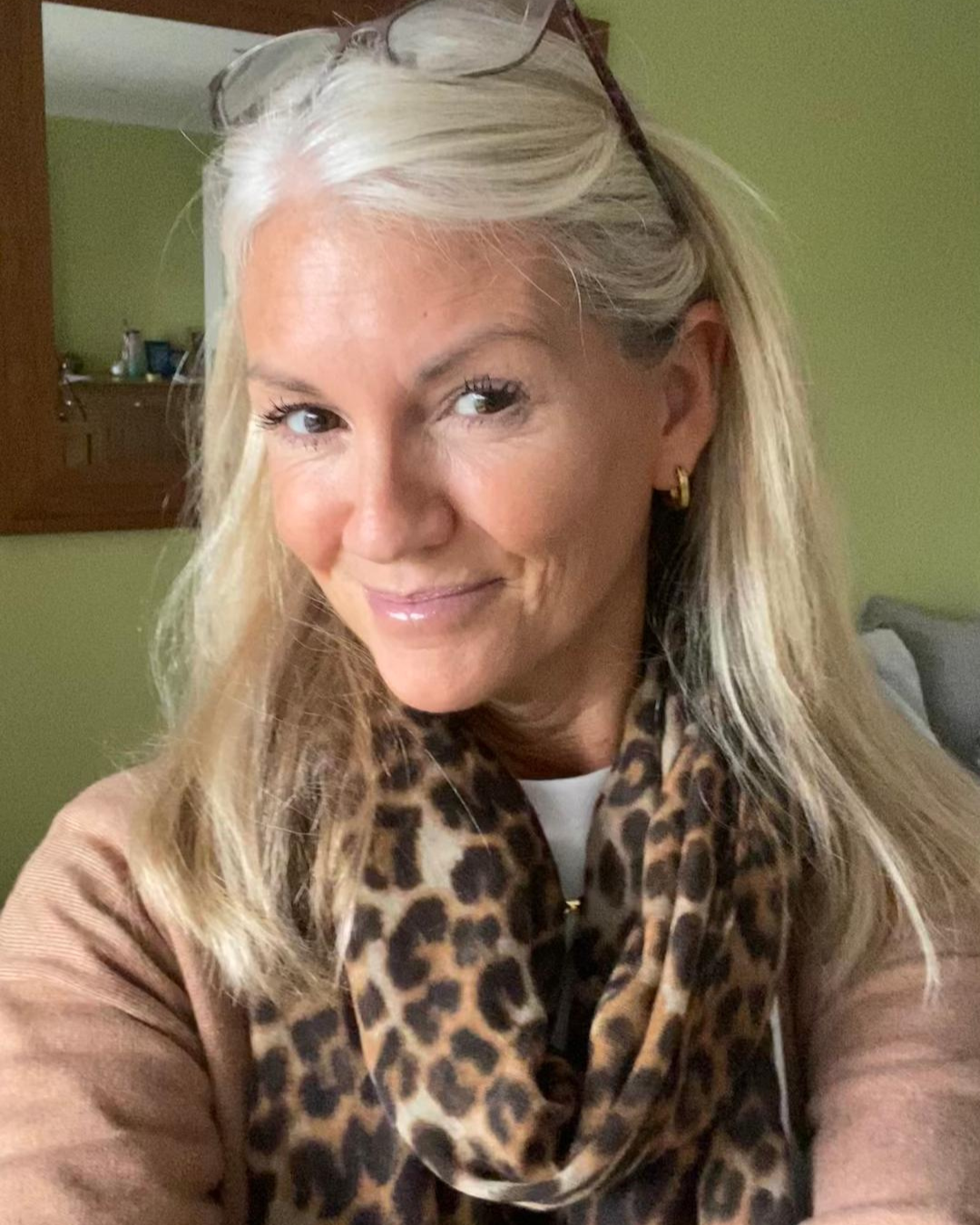
Life changes and impact on mental health
Rheumatoid arthritis has affected Dawn’s life enormously, particularly as the disease has progressed. She has always been a very independent person and spent almost 30 years working as a primary school teacher.
“Teaching has always been a huge part of my identity, so facing the possibility of losing the career I’ve dedicated most of my adult life to has been emotionally devastating.”
Chronic pain and fatigue affects someone with rheumatoid arthritis emotionally as well as physically. Dawn said there is frustration, sadness and sometimes fear about what the future might look like. It is difficult when your mind still wants to do things but your body is telling you that you can’t.
“There can be guilt because you sometimes feel as though you are letting people down when you cancel plans or need help. I think one of the hardest parts of having an invisible illness is that other people may see you looking relatively well without understanding how much pain or exhaustion sits behind that.”
Dawn said that her mental health has been affected, particularly during periods when her physical health has deteriorated and she has had to face major changes in her working life and future.
“I have had counselling to help me cope with the emotional impact of living with a long-term condition, and I have accessed support through the Wren Project. Having somewhere to talk openly and honestly about how rheumatoid arthritis affects me has been really valuable.”
Finding support at the Wren Project
Having somewhere where Dawn can talk openly about the reality of living with rheumatoid arthritis has been invaluable. A space to talk about how she is actually feeling, rather than automatically saying “I am fine”, has been important to her.
“Sometimes you do not necessarily need someone to solve the problem, because unfortunately they cannot, you just need somebody to listen without judgement and understand that living with a chronic illness affects far more than your physical health.”
Dawn also said the biggest support has been having people who genuinely listen, believe her and understand that she is still the same person even though her body cannot always do what it once could.
“I have learnt that connecting with people who understand chronic illness can be incredibly reassuring. There is something very powerful about speaking to someone who simply “gets it” without needing a lengthy explanation.”
Words of advice
Dawn advises anyone who has recently received a rheumatoid arthritis diagnosis, to not assume that everything they read about the disease will happen to them, as everyone’s experience is different and there are many treatments available.
She advises people to ask questions, learn about the condition and advocate for themselves.
“If something doesn’t feel right or a treatment isn’t working, say so. And find people you can talk to and not have to pretend that you are coping all of the time. Most importantly, be kind to yourself. You may have to learn a different way of doing some things and there may be times when you need to rest or ask for help. That is not giving in to the illness; it is learning how to live alongside it.”
Since Dawn’s rheumatoid arthritis diagnosis she would like more people to understand that autoimmune disease is so much more than the symptom people can see.
“Rheumatoid arthritis isn’t simply “aching joints”. It can involve chronic pain, overwhelming fatigue, loss of strength and mobility, medication side effects, infections, hospital appointments, operations and uncertainty about the future.
It can affect relationships, work, finances, confidence and your sense of who you are.”
Even after living with rheumatoid arthritis for 13 years, Dawn is still learning how to adapt to the changes the disease has brought into her life. Some days she copes much better than others. She would like greater awareness, understanding and believes simply listening to people living with autoimmune disease can make an enormous difference.
Dawn shared her story with the Wren Project as part of our Wren Voices campaign. If you would like to share your experience of autoimmune disease with us, you can reach out by emailing hello@wrenproject.org.
If you live with an autoimmune disease and would like to access free emotional support from the Wren Project, you can reach out to us here