

Living with Sjögren’s - Sarah’s story
Getting a Sjögren’s Syndrome diagnosis
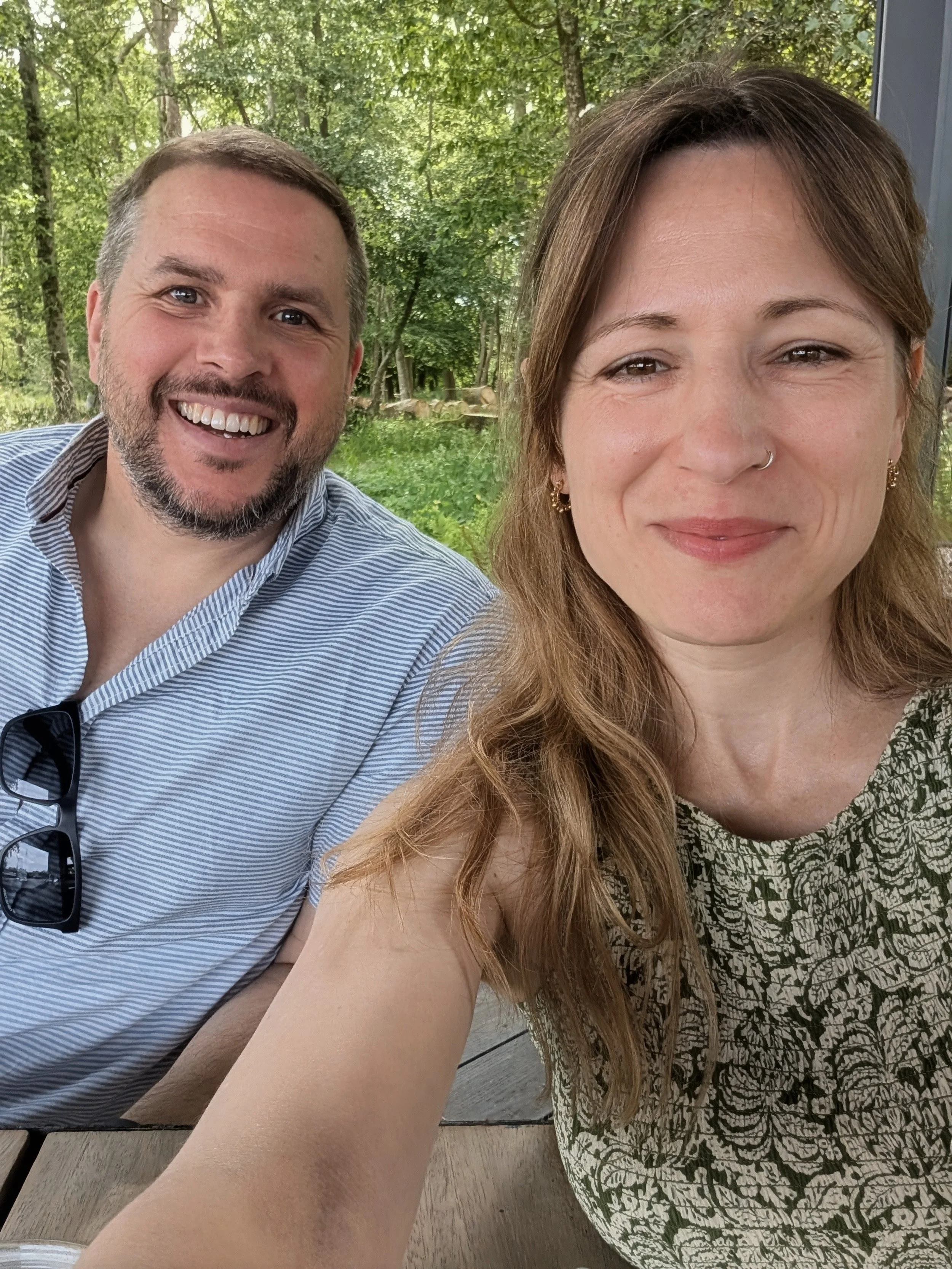
Sarah had spent years feeling exhausted and unwell, knowing something wasn't right with her body but not understanding what it was. After numerous dismissed doctors appointments, she started to doubt herself and wondered if she was overreacting or imagining things. When Sarah received a diagnosis of Sjögren's at the age of 41, it actually came as a relief for her.
“I later discovered that earlier blood tests had shown signs of Sjögren's, but at the time I was told everything looked normal. When I eventually received my diagnosis it wasn't so much a shock as a validation. The diagnosis was emotional, but mostly it was a relief. Having a name for what I was experiencing helped me realise it wasn't all in my head, it was real and that was incredibly reassuring.”
Although being diagnosed with a lifelong autoimmune condition was difficult, Sarah finally had answers that allowed her to better understand what was happening to her body and start managing her symptoms more effectively.
Challenges faced with Sjögren's
One of the biggest challenges Sarah has had to face with having an autoimmune disease is dealing with the guilt of having an invisible illness. Sjögren's is often talked about as dry eyes and a dry mouth, but for many it's so much more than that. The combination of pain, fatigue and guilt can be a really difficult place to be for Sarah. She explains it is not even the physical symptoms that are the hardest part, it's the impact they have on your mental wellbeing.
“Most of the time I look fine, and I've met so many people with autoimmune diseases who are amazing at masking what they're going through. Because of that, when I have to cancel plans, take a step back, or I'm not able to give 100%, I often feel like I'm letting people down.”
One of the biggest lessons Sarah has learned from her disease is to be kinder to herself. “I have to accept that I can't always do everything I want to do. I'm still working on that, but I'm getting better at recognising my limits and listening to my body.”
Sarah explains that something people might not expect is the amount of planning and anxiety that can go into things that should be enjoyable, such as going on holiday or having a day out. All the planning and worrying can take some of the joy out of things before they've even started.
“There can be so many unknowns. Will there be somewhere to rest if I need to? Have I packed everything I need to manage my symptoms? What if fatigue hits or I'm having a bad day? I think that's one of the less visible parts of living with an autoimmune condition. People often see you taking part in something, but they don't see all the preparation, adjustments and mental energy that went into making it possible.”
Finding support from family and the Wren Project
Sarah feels incredibly lucky to have a support system around her, particularly her husband who helps her through the days when even something as simple as cooking a meal can feel overwhelming.
“My husband has been amazing and helps me through the days when fatigue and pain makes simple things feel difficult. I know not everyone has that, and I don't take it for granted. In many ways, living with Sjögren's has actually strengthened our relationship because we've had to learn how to navigate the challenges together.”
Sarah has also found invaluable support within the Wren Projects peer support groups, after getting in touch with our team following a couple of particularly difficult flare-ups.
“Joining The Wren Project support group has been a huge help. It's been so validating to talk to people who just get it and understand the realities of living with an autoimmune condition. The support from others in the group has helped me so much, especially with the mental health side of things. Knowing you're not alone and that other people have similar struggles has made a real difference to me.”
Finding support with the Wren Project
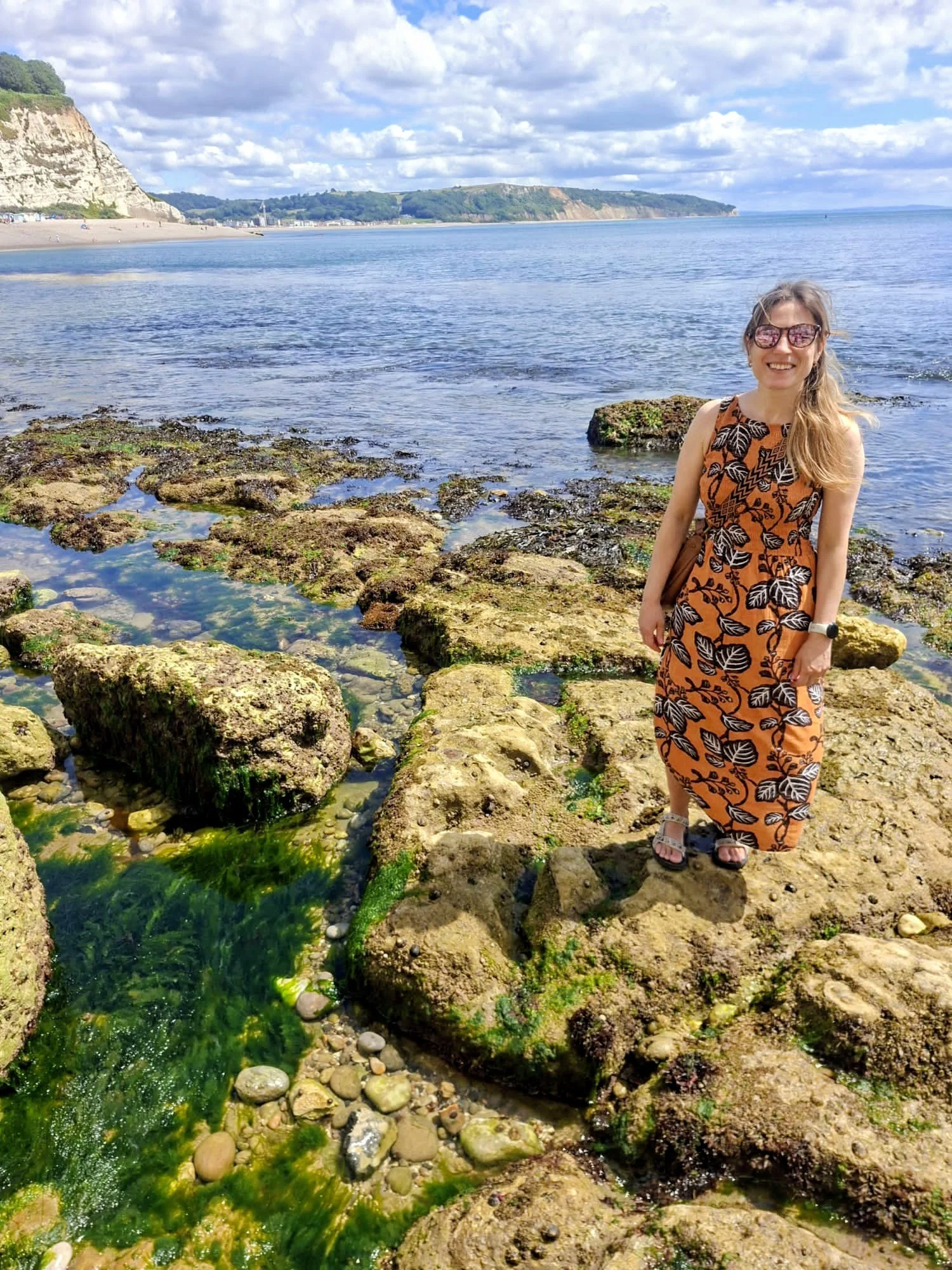
One of the hardest things about living with an autoimmune condition can be loneliness, and the Wren Projects group support can really help with that. It can be comforting to be part of a group of people who understand the challenges of living with an autoimmune disease without needing everything explained.
“What I love is that it's not just a space where we talk about symptoms or compare how unwell we feel. It's a place where people genuinely understand each other. We've shared difficult moments, but we've also laughed together, supported each other, and built real connections. Even though we may never meet in person, there's a real sense of connection through our shared experiences.”
Sarah’s words of advice
Sarah explains that it is important to advocate for yourself if you feel there is something wrong with your body and to not dismiss how you feel, even with medical knockbacks.
“One thing I've learned is that blood tests don't always reflect how you're actually feeling in your body. If something doesn't feel right, don't be afraid to ask questions and advocate for yourself.”
As well as finding people who understand what you're going through that can help with the loneliness of living with an autoimmune disease, Sarah explains that rest is also important.
“Most importantly, don't feel guilty for resting. Rest days aren't being lazy, they're part of managing your condition. During a flare, I can easily sleep for 12 hours straight, and I've had to learn that it doesn't make me lazy or weak. It means my body is dealing with a systemic autoimmune disease and needs that rest.”
“Be kind to yourself and give yourself the same understanding and compassion that you'd give to someone else in your situation.”
Living with Sjögren's and finding support
Living with Sjögren's can feel isolating at times, especially as it's often misunderstood and many of the symptoms are invisible. One of the most important things Sarah had learned is that you don't have to go through it alone.
“Finding support through The Wren Project has helped me feel seen, understood and less alone. Being able to connect with people who genuinely understand the challenges of living with an autoimmune condition has made a huge difference to my confidence and wellbeing.”
“If sharing my experience helps even one person feel validated, seek support, or be a little kinder to themselves, then it's been worth it.”
Sarah shared her story with the Wren Project as part of our Wren Voices campaign. If you would like to share your experience of autoimmune disease with us, you can reach out by emailing hello@wrenproject.org.
If you live with an autoimmune disease and would like to access free emotional support from the Wren Project, you can reach out to us here